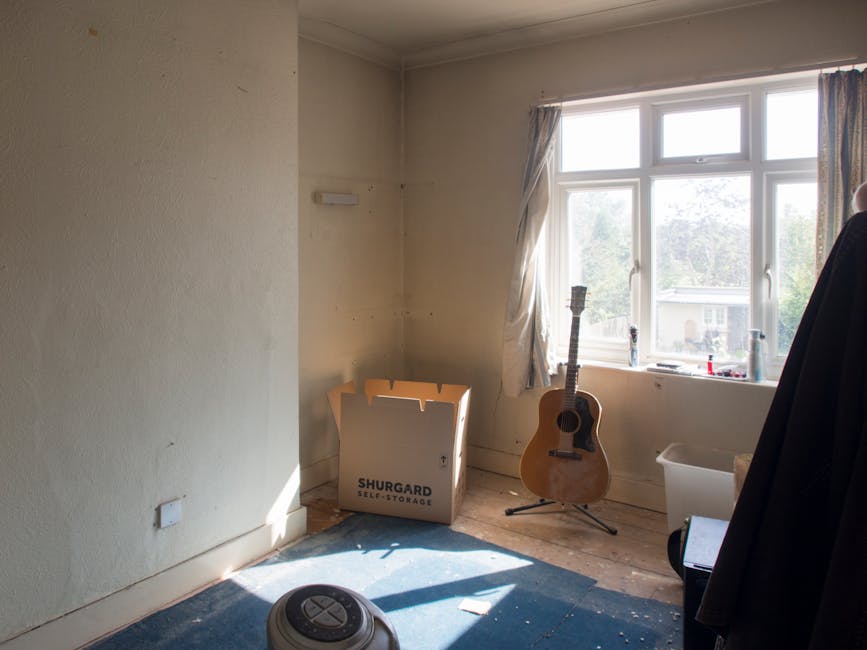
Feltham flat clearance case study rubbish removal outcome
If you are trying to understand what a Feltham flat clearance case study rubbish removal outcome looks like in real life, you are probably not after theory. You want to know what happens when a flat is full, time is tight, access is awkward, and the rubbish needs to go without drama. Fair enough. In Feltham, that often means stairwells, parking constraints, shared entrances, and a mix of bulky furniture, bagged waste, and a few surprise items tucked away in cupboards.
This guide breaks down the practical side of a flat clearance outcome: how the job is planned, what affects the result, where delays usually happen, and what a good clearance should leave behind. It is written for people weighing up options, comparing services, or just trying to make sense of the process before booking. And yes, we will keep it grounded. No fluff, no vague promises.
By the end, you will know what a good rubbish removal outcome should look like in a Feltham flat, what standards matter, and how to avoid the usual headaches that crop up when clearing a property. Let's face it, a flat clearance is never just "take the junk away" - it is a small logistics project with dust in the corners and a clock ticking.
Table of Contents
- Why Feltham flat clearance case study rubbish removal outcome Matters
- How Feltham flat clearance case study rubbish removal outcome Works
- Key Benefits and Practical Advantages
- Who This Is For and When It Makes Sense
- Step-by-Step Guidance
- Expert Tips for Better Results
- Common Mistakes to Avoid
- Tools, Resources and Recommendations
- Law, Compliance, Standards, or Best Practice
- Options, Methods, or Comparison Table
- Case Study or Real-World Example
- Practical Checklist
- Conclusion
- Frequently Asked Questions
Why Feltham flat clearance case study rubbish removal outcome Matters
A flat clearance outcome matters because the result is not just about emptying rooms. It affects the condition of the property, the time needed to hand back keys, the stress level of the person organising it, and even whether the waste is handled responsibly. In a place like Feltham, where flats can range from compact modern apartments to older properties with narrow access, the job can become far more involved than it looks from the hallway.
A strong outcome should leave the flat cleared, swept through, and ready for its next stage, whether that is a sale, a tenancy end, probate work, refurbishment, or a simple reset after years of accumulation. If the clearance is rushed or poorly planned, the whole process can fall apart. Items get missed. Stairways get blocked. Waste gets mixed up. And suddenly a one-day job turns into two.
To be fair, most people do not think about a rubbish removal outcome until they are standing in a room full of things they no longer want. That is when the practical questions kick in: how much can go, how quickly, what will be recycled, and who is responsible for lifting what? Those are the questions that separate a decent clearance from a frustrating one.
There is also a trust angle. A flat clearance is often carried out when someone is under pressure - after a move, a bereavement, a tenancy change, or a big downsizing decision. The outcome needs to be clean, respectful, and predictable. That is what makes case study style guidance useful: it shows the actual shape of the work, not just the headline promise.
Expert takeaway: a good Feltham flat clearance outcome is not measured only by what leaves the property; it is measured by how smoothly the removal is handled, how safely waste is managed, and how complete the final space feels.
How Feltham flat clearance case study rubbish removal outcome Works
The process usually starts with a walkthrough, either in person or via photos and a call. The aim is simple: identify volume, item type, access issues, and any time restrictions. In a flat, those details matter more than people expect. A third-floor walk-up with no lift is a different job from a ground-floor apartment with parking outside.
From there, the clearance team will normally plan the load order, equipment needed, and likely disposal route. If there are reusable items, they may be separated from general waste. If there are bulky items such as wardrobes, mattresses, sofas, or white goods, they may need to be carried out in sections or with extra protection for communal areas. Sounds obvious, but this is where the smoother outcomes come from.
In many Feltham clearances, the best results come from a staged approach:
- Sort the flat into keep, remove, recycle, and unsure piles.
- Remove large items first so access opens up.
- Clear lighter bags and mixed household waste next.
- Do a final sweep for cupboards, loft hatches, under beds, and balcony corners.
- Finish with a visual check and a tidy-down of the main rooms.
That last step matters more than people admit. A flat can be technically cleared but still feel unfinished if there is dust, packaging, or one lonely broken chair left behind in the kitchen. The final outcome should feel complete, not merely "mostly done".
If the work involves linked services such as a general flat clearance or wider waste removal, the coordination usually improves because the team can match the vehicle size and labour to the exact job. That saves time, and frankly, less back-and-forth is always better when you are dealing with a flat.
Key Benefits and Practical Advantages
The best rubbish removal outcomes do more than remove clutter. They reduce stress, improve the usability of the space, and make the property easier to manage next. For a Feltham flat, that can be a big deal, especially where the room layout is tight or the property has limited storage.
One of the clearest benefits is speed. A planned clearance can be completed faster than piecemeal self-removal, particularly where multiple trips to the tip would otherwise be needed. Another is simplicity. You do not need to hire a van, carry heavy items through shared spaces, or figure out which waste should go where. That alone is a relief for many people.
There is also a risk reduction angle. Lifting furniture down stairs without proper handling is how injuries and damage happen. Good clearance practice reduces the chance of scraped walls, broken bannisters, and that annoying moment when a sofa gets stuck halfway through the door. Not exactly the memory you want to keep.
Practical advantages often include:
- Less disruption to neighbours and shared areas
- Better handling of bulky or awkward items
- Improved recycling and separation where possible
- Cleaner final presentation for letting, sale, or refurbishment
- Less physical strain on the resident or landlord
In commercial terms, if you are comparing costs, a proper outcome can also be better value than it first appears. That is because a cheaper quote may leave out labour, extra loading time, or disposal complexity. Our general rule of thumb? Look at the whole result, not just the number on the page. The cheapest job is rarely the least expensive one.
Who This Is For and When It Makes Sense
This kind of clearance is for anyone dealing with a flat that needs to be emptied efficiently and responsibly. That might be a landlord between tenants, a homeowner preparing to sell, a family managing an estate, or a resident who has simply reached the point where the clutter has outgrown the storage. Happens all the time, more than people think.
It makes sense when you have one or more of these situations:
- The flat contains bulky waste that is hard to move alone
- You need the property cleared by a specific date
- The building has stairs, narrow halls, or restricted parking
- You want reusable items separated from general waste
- You need the flat left in a neat, presentable condition
It also makes sense if emotions are running high. Clearing a parent's flat, for example, is often not just a practical job. It is a strange mix of memory, decision fatigue, and physical work. In those cases, a reliable rubbish removal outcome is as much about pacing and respect as it is about disposal.
If you are also dealing with furniture that needs separate attention, a related service such as furniture clearance can be useful when the room contains large items that need careful handling. And if the flat has a broader volume of belongings, a fuller home clearance approach may suit better than treating everything as isolated waste.
Step-by-Step Guidance
If you want a better outcome, the process starts before anyone lifts a bag. A smooth flat clearance is usually built on clear decisions and decent preparation. Here is the practical version.
1. Walk the flat room by room
Start with a simple assessment. Note what needs to go, what must stay, and which items may need special handling. Check cupboards, under sinks, behind doors, on balconies, and in storage spaces. The hidden bits often take longer than the obvious ones.
2. Separate obvious categories
It helps to split items into broad groups: furniture, bagged rubbish, recyclable materials, and anything questionable. You do not need museum-level precision here. Just enough to make decisions easier. This also helps avoid accidental disposal of documents, keys, medication, or valuables tucked into drawers.
3. Flag access issues early
Stairs, parking, entry codes, lift restrictions, and neighbour access can all affect timing. If the team knows in advance, they can plan better. If not, everybody gets a bit stuck, and nobody enjoys that.
4. Decide on the disposal standard
Ask what happens to reusable items, recyclable materials, and mixed waste. A quality clearance should not just dump everything in one heap if it can be separated properly. That is part of the outcome, not an afterthought.
5. Clear the largest items first
Big items change the shape of the job. Once a bed, wardrobe, or sofa is removed, the room opens up and the rest goes faster. In a small flat, that can feel like the whole place suddenly exhales. Quite satisfying, actually.
6. Do a final sweep
Before signing off, check every room, shelf, corner, and storage space. Look for small items, bin bags, chargers, paperwork, and items left on windowsills. The best results are often won in the last ten minutes.
A simple practical rule: if you would feel awkward leaving it for a letting agent or buyer to find, remove it now. Better that than an awkward phone call later.
Expert Tips for Better Results
The difference between a decent clearance and a genuinely strong one is usually in the details. Small choices make a big difference, especially in flats where access and speed matter.
First tip: always get clarity on what is included. A lot of frustration comes from assumptions. One person expects sweeping, another expects cupboard emptying, and the job description was never pinned down. That mismatch causes most avoidable disappointment.
Second tip: be honest about the volume. Understating the amount of rubbish is tempting because it sounds cheaper, but it often causes delays on the day. Better to overestimate slightly and let the team adjust than pretend two van loads will somehow turn into one. They rarely do. Rarely.
Third tip: separate sentimental items early. It sounds obvious, but under pressure people forget. If there are photographs, letters, documents, jewellery, or small keepsakes, remove them before the clearance starts. You really do not want to be hunting for a passport in a pile of mixed paper waste.
Fourth tip: protect shared spaces. In a block of flats, a good team will be careful with hallways, door frames, and stairwells. If a team does not mention this, ask how they manage it. That simple question tells you a lot.
Fifth tip: ask about recycling and disposal routes. A responsible outcome should include sensible sorting, not just fast loading. If you are working with a broader sustainability mindset, the page on recycling and sustainability is a useful related reference for the approach behind better waste handling.
One more thing: if a property has hidden problem items, such as mixed waste, sharp material, or items that could be classed as hazardous, it is better to mention them early. Surprises are fine for birthdays. Not so much for rubbish removal.
Common Mistakes to Avoid
A lot of flat clearance problems are self-inflicted, truth be told. The good news is that most of them are avoidable with a little planning.
- Not checking access details. If the lift is out, the parking is tight, or there are timed entry rules, the whole job changes.
- Leaving sorting until the day. That creates delays and raises the chance of mistakes.
- Forgetting about storage spaces. Cupboards, loft hatches, balconies, and airing cupboards are often missed.
- Assuming every item is standard waste. Some items need separate handling or careful disposal.
- Choosing on price alone. A quote that looks cheap can be weak on labour, disposal, or finish quality.
- Not confirming the final condition. Some people want a swept-through finish; others want only removal. Say it clearly.
One common pattern in Feltham flats is underestimating how long it takes to get items out of a building without disturbing neighbours. That is where experience matters. A team that understands the building layout can save the day, while a team that does not may spend half the afternoon negotiating a staircase. Not ideal.
Another mistake is ignoring the emotional side of a clearance. If the flat belongs to a relative or has been occupied for years, decision-making becomes harder. It helps to make one room at a time, with short breaks. Bit by bit. No need to turn it into a heroic ordeal.
Tools, Resources and Recommendations
You do not need specialist equipment to understand a flat clearance plan, but a few practical tools make the job easier and the outcome cleaner. Think of these as simple supports, not magic fixes.
- Room-by-room checklist: helps track what has been removed and what remains.
- Labels or coloured notes: useful for marking keep, remove, donate, and review piles.
- Strong gloves and basic cleaning supplies: useful if you are doing any pre-sort or tidy-down.
- Phone photos: helpful for sharing access issues, item volume, or property layout before the job.
- Measuring tape: handy when bulky furniture must pass through tight gaps.
If you are comparing clearance services, it can also help to review related pages before you book. For example, pricing and quotes gives a useful idea of how to think about value, while insurance and safety can help you ask the right questions about care and responsibility.
And if the job is more than a standard flat clear-out, sometimes it helps to look at the broader service mix. A flat may overlap with house clearance or even a more targeted furniture disposal need, depending on what is actually in the property. That distinction matters more than most people realise.
Law, Compliance, Standards, or Best Practice
For rubbish removal and flat clearance, compliance is mostly about responsible handling, clear communication, and using an operator who understands UK waste expectations. You do not need to become a legal expert, but you do need to know the basic standards that matter.
First, waste should be transferred and disposed of responsibly. That means the provider should be able to explain how they handle waste and where appropriate, separate recyclable materials from mixed rubbish. You should also be careful about sensitive items such as paperwork, electrical goods, or anything that might require special handling.
Second, if a property contains items that could be considered hazardous, fragile, or awkward, that should be flagged before the clearance begins. It is much better to slow down the planning than to create a safety issue during loading. Common sense, but worth saying.
Third, building safety matters. In a flat, shared entrances and stairwells need care. Good practice usually includes protecting walls and keeping escape routes clear. If a team seems casual about that, it is worth asking a few more questions. A polite question now can save a headache later.
Fourth, if you are handling a clearance as part of a probate, tenancy, or landlord process, keep records of what was removed and when. That is not overkill; it is simply good practice. A short note and a few photos can be very helpful if questions come up later.
For operational standards, many people also like to review the provider's policies. The pages on health and safety policy and complaints procedure can give a sense of how seriously a service treats accountability and customer care.
Options, Methods, or Comparison Table
Different flat clearance methods suit different situations. The right one depends on volume, access, urgency, and how hands-on you want to be. Below is a simple comparison to help you choose.
| Method | Best for | Pros | Watch-outs |
|---|---|---|---|
| DIY removal | Small amounts of waste and a flexible timetable | Low direct cost if you already have transport | Time-consuming, physically demanding, multiple trips |
| Partial clearance | When you only need bulky items or selected rooms cleared | More control over what leaves the property | Can become disorganised if priorities are unclear |
| Full flat clearance | End-of-tenancy, probate, sale prep, or complete reset | Fast, coordinated, usually cleaner finish | Needs accurate planning and good access notes |
| Mixed approach | When some items are kept and others removed | Flexible and practical | Requires clear marking and careful sorting |
In a Feltham flat, the mixed approach is often the most realistic. People want certain furniture kept, some items recycled, and the rest gone. That is normal. A good outcome depends on making those boundaries clear before anyone starts lifting.
If you are comparing service types, it may also help to look at garage clearance or loft clearance if the flat includes storage-heavy overflow, though not every job needs that. The point is to match the method to the actual space, not the tidy version in your head.
Case Study or Real-World Example
Here is a realistic example based on the sort of work often seen in Feltham. Not a dramatic story, just a practical one.
A two-bedroom flat needed clearing before a tenancy change. The resident had already removed personal paperwork and anything fragile, but the property still contained an old sofa, a mattress, a wardrobe, several bagged rubbish piles, kitchen clutter, and a few broken household items stored on the balcony. Access was through a shared stairwell, and the parking situation meant timing had to be tight.
The main challenge was not volume alone. It was layout. The wardrobe could not be moved in one piece without risk to the hallway, so it was taken apart carefully. The sofa needed two people and careful turning at the landing. The bagged waste was straightforward, but there were a few mixed items that required checking before loading.
The outcome was strong because the job was planned properly. The space was cleared in a single visit, the stairwell was kept protected, and the flat was left ready for final checks. No drama, no last-minute panic. Just a clean result.
What did that teach us? Mainly this: the best rubbish removal outcomes are rarely flashy. They are calm, methodical, and respectful of the building as much as the contents. And in a block of flats, that calm approach makes all the difference.
Another small but important point: the resident had taken time to flag one cupboard with "do not remove" notes. That tiny step prevented a mistake. It sounds almost too simple, but simple is often where the best outcomes begin.
Practical Checklist
Use this checklist before a flat clearance in Feltham. It keeps the process tidy and avoids the usual slip-ups.
- Confirm exactly which rooms, cupboards, and storage areas are included
- Remove personal documents, valuables, medication, and keys
- Take photos of bulky items and access points if needed
- Check stairs, lift access, parking, and entrance restrictions
- Mark items to keep so they are not removed by mistake
- Identify anything unusual, fragile, sharp, or potentially hazardous
- Decide whether you want a basic removal or a more thorough tidy-down
- Ask how reusable and recyclable items will be handled
- Confirm the expected finish before the team starts
- Do a final walk-through after the clearance is complete
That final walk-through matters more than people think. It is the moment where loose ends show themselves, and it is much easier to sort them then than after the van has gone. Little things, but they matter.
Conclusion
A Feltham flat clearance case study rubbish removal outcome should leave you with more than an empty space. It should leave you with confidence that the job was handled properly, the property was treated with care, and the waste was managed in a sensible, responsible way. In practice, that means clear planning, good access notes, honest communication, and a finish that feels complete rather than rushed.
If you are preparing for a flat clearance now, focus on the outcome first: what needs to be gone, what must stay, and how the property should look when the job is finished. That clarity saves time, reduces stress, and helps you choose the right method for the space in front of you.
And if the flat has felt overwhelming lately, that is alright. A good clearance can turn a heavy, cluttered space into something calmer, lighter, and much easier to deal with. That shift is real, and it is usually a relief the moment the last bag leaves the hall.
Get a free quote today and see how much you can save.
Sometimes the hardest part is just getting started. Once that first step is taken, the rest tends to fall into place a bit easier than you expected.
Frequently Asked Questions
What does a Feltham flat clearance outcome usually include?
It usually includes the removal of unwanted furniture, bagged waste, mixed household items, and other agreed contents, plus a final tidy-down if that has been arranged. The exact outcome depends on the property and the scope of the job.
How long does a flat clearance normally take?
Timing depends on volume, access, and how much sorting is needed. A small, well-prepared flat may be cleared fairly quickly, while a fuller property with stairs or bulky furniture can take longer. Access makes a bigger difference than people expect.
Do I need to sort everything before the clearance?
Not always, but some sorting helps a lot. At minimum, it is wise to separate personal documents, valuables, and anything you want to keep. The more clearly the removal items are identified, the smoother the outcome tends to be.
Can a flat clearance include bulky furniture?
Yes, it often does. Sofas, wardrobes, beds, and white goods are common in flat clearances. The key is to mention them early so the right labour and handling approach can be planned.
What if the flat has awkward access or no lift?
That should be flagged before the job starts. Stairs, narrow corridors, and limited parking can affect timing and labour needs. A good provider will factor that into the planning rather than discovering it halfway through.
Is recycling usually part of the service?
It can be, depending on the provider and the type of waste. A responsible clearance should aim to separate reusable or recyclable materials where practical, rather than treating everything as mixed rubbish.
How do I know if a clearance quote is fair?
Compare what is included, not just the headline price. Look at labour, loading, disposal, access assumptions, and whether any extra charges might apply. A transparent quote is usually a better sign than a very low one with vague wording.
What should I remove before the team arrives?
Take away anything personal, confidential, or valuable. That includes important paperwork, medication, keys, jewellery, and sentimental items. It is a simple step, but it prevents a lot of worry later.
Are there any items that need special handling?
Yes. Some items may need extra care because they are sharp, fragile, heavy, or potentially hazardous. If in doubt, mention them in advance rather than leaving them as a surprise on the day.
Can a flat clearance be done as part of a move or sale?
Absolutely. In fact, that is one of the most common reasons people book one. A clearance can help prepare a flat for handover, viewing, cleaning, or refurbishment, and it often makes the next step feel much more manageable.
What is the biggest mistake people make with flat clearances?
The biggest mistake is usually underestimating the amount of stuff involved and not planning access properly. A close second is forgetting to check cupboards and storage spaces. Those hidden areas are where delays and missed items tend to appear.
What makes a good final outcome after rubbish removal?
A good outcome leaves the flat emptied as agreed, safe to walk through, and ready for its next purpose. It should also feel calm and orderly, not like the team just rushed in and out. That small difference really does show.