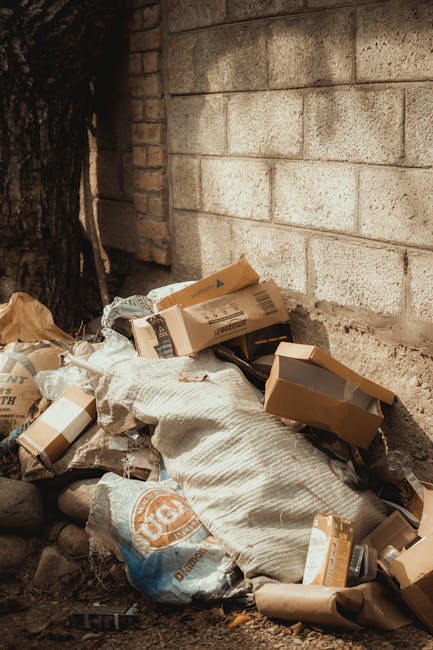
Hounslow Council rules for household rubbish in Feltham
If you live in Feltham, the everyday rubbish routine can feel simple until it suddenly isn't. One week it's a broken chair, the next it's a sack of mixed waste, a missed collection, or a pile that needs shifting before the weekend. The rules matter because Hounslow Council household rubbish guidance affects what goes out, when it goes out, and how you separate items for collection. Get it wrong and you can end up with clutter outside, unnecessary delays, or a very grumpy neighbour. Get it right, and everything just runs more smoothly.
This guide explains the practical side of Hounslow Council rules for household rubbish in Feltham in plain English. You'll find out how the system works, what usually trips people up, how to stay compliant, and when it makes sense to bring in extra help. If you want a broader look at the people behind the service, you can also read about our local team and approach or review our recycling and sustainability commitment.
Table of Contents
- Why Hounslow Council rules for household rubbish in Feltham Matters
- How Hounslow Council rules for household rubbish in Feltham Works
- Key Benefits and Practical Advantages
- Who This Is For and When It Makes Sense
- Step-by-Step Guidance
- Expert Tips for Better Results
- Common Mistakes to Avoid
- Tools, Resources and Recommendations
- Law, Compliance, Standards, or Best Practice
- Options, Methods, or Comparison Table
- Case Study or Real-World Example
- Practical Checklist
- Conclusion
- Frequently Asked Questions
Why Hounslow Council rules for household rubbish in Feltham Matters
Household rubbish rules are one of those things people barely think about until a bin is left out too early, a bag splits on the pavement, or a bulky item blocks the hall. In Feltham, the council's approach is designed to keep streets cleaner, protect collection crews, and reduce the amount of waste going to landfill. That's the broad picture. The day-to-day picture is more practical: knowing what goes in each bin, what needs separating, and what should not be left beside the kerb unless it has been arranged properly.
For residents, the biggest benefit is predictability. If you understand the local household waste rules, you waste less time guessing. You also reduce the risk of contamination, which is the annoying bit where one wrong item can make a whole bag or bin harder to process. Truth be told, most problems happen not because people are careless, but because they're busy. A full week, a rainy day, a child's birthday, a bit of DIY, and suddenly the recycling box becomes the catch-all for everything. Happens all the time.
It also matters because Feltham sits within a busy London borough where space is tight and collection schedules need to work for many homes at once. Front gardens are small, pavements are busy, and a little pile of waste can look much bigger than it feels when it's in your kitchen. So the rules are really about shared space as much as waste disposal. That's the part people sometimes miss.
Expert summary: If you know the collection rules, sort waste before it builds up, and keep bulky or unusual items separate, you'll avoid most of the common rubbish headaches in Feltham. Simple, but effective.
How Hounslow Council rules for household rubbish in Feltham Works
The basics are straightforward: normal household waste is collected through the council's kerbside system, while recycling and special items need to be separated according to local instructions. The exact container setup can vary by property type, but the principle stays the same. Keep general rubbish, dry recycling, food waste, garden waste, and bulky items in the right streams, and put them out correctly on collection day.
In practical terms, most households need to think about four things:
- What type of waste it is - general rubbish, recyclable material, food waste, or something larger.
- Which container it belongs in - bin, sack, box, caddy, or a separate collection arrangement.
- When it should go out - usually on the right day and at the correct time window.
- Whether it needs extra handling - for example, if it is sharp, heavy, broken, dirty, or too large for normal bins.
You'll also want to pay attention to presentation. A tidy bin lid, closed bags, and no loose waste scattered around make a bigger difference than people expect. On a damp morning in Feltham, a burst bag can quickly become a small mess with a big smell. Not ideal.
Where residents need help with a larger clearance, a sensible next step is often to check pricing and quotes before deciding whether to do it piecemeal or as one organised collection. That can save time, especially during a move, bereavement, or spring clear-out when the house suddenly seems to contain three decades of stuff.
If you are dealing with mixed materials, the safest assumption is never to put everything together. Separate what can be recycled, keep hazardous or specialist items out of normal household bins, and be cautious with anything that leaks, smokes, cuts, or smells suspiciously chemical. That last one is usually a clue.
Key Benefits and Practical Advantages
Following the local rubbish rules properly gives you more than just compliance. It saves effort in a few quiet but important ways.
- Cleaner kerbside presentation - fewer complaints, fewer blow-aways, less mess.
- Less rejection risk - bins and bags are more likely to be collected when they're sorted properly.
- Better recycling outcomes - materials are less likely to be contaminated by the wrong items.
- Lower stress on collection day - no last-minute rush or guessing.
- Safer handling - less chance of cuts, spills, or lifting injuries.
There's also a planning benefit. Once you understand the local routine, you can work backwards from it. For example, if you know collection day is early, you sort waste the evening before rather than trying to do it with the kettle boiling and the school run waiting. That's a tiny thing, but it changes the whole feel of the week.
For people clearing out a home, the advantage is even bigger. A structured approach lets you separate reusable items, recyclable material, and true rubbish before anything is moved. That's better for the environment and usually easier on the back too.
Who This Is For and When It Makes Sense
This guide is useful for almost anyone living in Feltham, but it tends to be especially relevant in a few common situations.
- New residents who are still learning local collection routines.
- Families producing a lot of mixed household waste week to week.
- Landlords and managing agents who need bins kept in order between tenancies.
- Older residents who may need practical support with heavy bags or bulky items.
- People moving house and trying to clear rubbish quickly without leaving a mess behind.
- Anyone doing a declutter after a renovation, loft clear-out, or garden reset.
If you're just dealing with a normal weekly bin, the main task is simple housekeeping. If you're facing a house full of old furniture, broken appliances, black bags, and "I'll deal with it later" piles, the job becomes more about process. That is where a little planning really pays off. Honestly, it can be the difference between a one-hour tidy-up and a whole lost weekend.
For households that want support but still care about responsible disposal, it may help to look at the company's recycling and sustainability information before deciding how to handle larger volumes.
Step-by-Step Guidance
Here's a practical way to manage household rubbish in Feltham without overcomplicating it.
- Sort everything into basic categories. Separate general rubbish, dry recycling, food waste, garden waste, and bulky items. If you're unsure about an item, keep it out of the recycling stream until you've checked what it's made of.
- Check your bin condition. Make sure lids close properly and bags are not overfilled. A bin that won't close is usually a bin that will cause trouble.
- Set aside special items. Things like broken glass, sharp metal, old paint tins, batteries, and electrical items should never be casually mixed into everyday household rubbish.
- Put waste out at the correct time. Aim for the collection window, not half a day early. Early placement can lead to mess, complaints, or missed pickups.
- Keep the frontage tidy. If multiple bags are unavoidable, stack them neatly and make sure they won't tip over in wind or rain.
- Arrange extra help for larger loads. If the rubbish goes beyond normal household volumes, think about a more organised solution rather than stretching the bins beyond reason.
A useful rule of thumb: if you'd hesitate before putting something in the kitchen bin, it probably deserves a second look before it reaches the kerb. The bathroom bin logic does not scale up well, let's face it.
If you need to contact the team about a larger clearance or ask a specific question, the simplest route is through the contact page. That keeps the conversation clear from the start, which is better than passing details back and forth by guesswork.
Expert Tips for Better Results
After dealing with enough household clearances, a few habits stand out. They're not flashy, but they make rubbish management much easier.
- Use the "one touch" rule. When you pick something up, decide immediately whether it is rubbish, recycling, donation, or keep. If you put it down again, it usually becomes part of the clutter.
- Keep a separate box for unknown items. That avoids accidental contamination and gives you time to check later.
- Break down bulky packaging early. Cardboard takes up far more room than people think. Flattening it makes collections cleaner and easier.
- Lift with the route in mind. If a bag is too heavy to carry comfortably, split it before you move it. Back pain is not a useful souvenir.
- Think ahead before collection day. Set waste near the exit the night before so you're not rushing at 7 a.m. in the dark and rain.
One small but important tip: keep wet rubbish away from dry recyclables. A damp pizza box or a leaky bag can ruin an otherwise good recycling load. That's one of those tiny things that seems trivial right up until it isn't.
If you are clearing a property, consider combining waste sorting with a proper disposal plan rather than leaving it all to the final day. It feels slower in the moment, but it usually saves time overall.
Common Mistakes to Avoid
Most rubbish problems in Feltham come from a handful of very ordinary mistakes. The good news is that they're easy to avoid once you know what to watch for.
- Mixing recyclables with food waste - this is one of the quickest ways to downgrade a full container.
- Overfilling bins or bags - if the lid can't close, collection can become less reliable.
- Leaving loose waste on the pavement - wind, rain, and foxes are not your friends here.
- Putting sharp or hazardous items in general rubbish - this creates avoidable safety risks.
- Ignoring bulky waste rules - a sofa is not just a very large bag.
- Waiting until the last minute - this usually leads to rushed sorting and mistakes.
Another common slip is assuming all "recycling" is treated the same. It isn't. A clean cardboard box is a very different thing from a greasy takeaway carton, even if they both started life as cardboard. Small difference, big impact.
And yes, people do sometimes leave old paint or broken electricals beside the bin because they think it will somehow be obvious what they are. It never really is. Better to separate them properly.
Tools, Resources and Recommendations
You don't need a van full of kit to manage household rubbish well, but a few basic tools make a surprising difference.
- Sturdy bin liners for general waste, especially if bags need to travel a short distance.
- Recycling boxes or labelled containers to keep materials separated without constant re-sorting.
- Work gloves for broken items, rough cardboard, or garden debris.
- Tape and scissors for flattening boxes, wrapping sharp edges, and bundling awkward packaging.
- A checklist for move-outs, declutters, or larger family clearances.
For residents wanting a better sense of what a responsible clearance service should look like, the site's health and safety policy and insurance and safety information are useful reading. They help set expectations around handling, lifting, and disposal standards.
If you are comparing providers or planning a larger job, it is also worth checking pricing and quotes so you understand how the job may be structured. Clear pricing can save a lot of back-and-forth later.
One practical recommendation: keep a small "decision bin" in the hallway for items you're not sure about. It sounds slightly odd, but it stops unsure items being mixed in with normal rubbish by accident. A small thing, yes. Still useful.
Law, Compliance, Standards, or Best Practice
Household rubbish handling sits within a broader framework of local waste management and environmental responsibilities. The exact collection arrangements are set by the local authority and can change, so the safest approach is to follow current council guidance for your property type and collection service. That includes any instructions on container use, presentation, and items that must be treated separately.
From a best-practice point of view, the key principles are easy to remember:
- Do not contaminate recycling with food, liquids, or non-recyclable material.
- Do not place hazardous items in normal household waste if they require separate handling.
- Do not obstruct pavements or access routes with loose rubbish.
- Do handle sharp or broken items safely to reduce the risk of injury.
- Do use authorised routes for bulky or unusual waste rather than improvising.
If you're a landlord, property manager, or responsible adult in the household, the main compliance issue is usually process rather than paperwork. In other words: keep waste separated, put it out correctly, and avoid creating a nuisance. That's the practical standard most people are aiming for.
For site users concerned about service trust, policies such as terms and conditions, privacy policy, and the complaints procedure help show how enquiries and service issues are handled. A transparent process usually means fewer surprises.
Options, Methods, or Comparison Table
Different waste situations need different approaches. Here's a simple comparison to help you decide what fits best.
| Approach | Best for | Strengths | Limitations |
|---|---|---|---|
| Normal kerbside bin use | Weekly household waste | Simple, familiar, low effort | Not suitable for large clear-outs or bulky items |
| Careful home sorting before collection | Families, sharers, busy homes | Better recycling and less contamination | Takes a bit more time upfront |
| Self-managed larger disposal | Small declutters, light furniture, staged clear-outs | Good control over what goes where | Can be time-consuming and physically demanding |
| Organised clearance support | Moves, bereavements, full room clearances | Faster, tidier, less lifting and sorting stress | Requires planning and clear instructions |
For most households, the best answer is not one method forever. It's a mix. Weekly rubbish in the normal system, plus a separate plan for bulky or awkward items. That balanced approach is the one that usually avoids hassle.
Case Study or Real-World Example
Picture a typical Feltham household after a long weekend in autumn. The loft has been partly emptied, the spare room now holds old toys, a broken lamp, two bags of mixed clutter, and a flat-pack wardrobe that lost the battle with the stairs. There's also a few recycling boxes from earlier in the week, and a dog bed that has seen better days. It's not a disaster. It just looks like one.
In a situation like that, the best result comes from sorting first, moving second. The family separates clean cardboard, plastics that are suitable for recycling, and ordinary rubbish. The lamp and any electrical items are kept aside. The broken wardrobe is broken down further so it can be handled safely. Then the remaining waste is dealt with using the correct collection method rather than being shoved out all at once.
What changes the outcome is not some fancy system. It's pacing. A bit of order first, a bit of patience, then action. By the time the front path is clear, the house feels lighter too. You notice the difference when the hallway stops smelling faintly of dust and old paper. A small victory, but a real one.
If the volume is beyond what a normal household bin can manage, that's often the point at which people look for a more organised service and check the company's contact options to discuss what needs removing and how it should be handled.
Practical Checklist
Use this quick checklist before putting rubbish out or planning a larger clear-out.
- Have I sorted general waste, recycling, and special items separately?
- Are all bags closed and not overfilled?
- Is anything sharp, wet, heavy, or hazardous kept apart?
- Do I know the right day and time for collection?
- Is my frontage tidy and clear for access?
- Have I flattened cardboard and removed obvious contamination?
- If I have bulky waste, have I planned a proper route for it?
- Do I need help with lifting, transport, or disposal?
Quick rule: if you are hesitating over an item for more than a few seconds, set it aside and double-check later. That pause usually prevents mistakes. Little pause, big difference.
And if you want to understand how the business handles service issues and customer expectations, you can also review the complaints procedure and the payment and security information before booking anything.
Conclusion
Hounslow Council rules for household rubbish in Feltham are not complicated once you break them into practical habits: sort waste properly, keep recyclables clean, handle bulky items separately, and place everything out correctly. That simple routine protects your home, your street, and your time. It also makes any bigger clearance feel much less overwhelming.
If you're dealing with a bigger job than the bins can handle, or you just want a tidy, responsible way to get back on top of things, look for a solution that respects safety, recycling, and clear communication. That's what good waste handling should feel like: calm, straightforward, and done properly. No drama, no mess, no second-guessing.
Get a free quote today and see how much you can save.
Sometimes the nicest thing you can do for a home is simply clear the clutter and let it breathe again. Small reliefs count.
Frequently Asked Questions
What are the basic Hounslow Council rules for household rubbish in Feltham?
The basic idea is to separate general rubbish from recycling and any special waste, then put it out in the correct container at the correct time. Keep items tidy, closed, and easy to collect.
Can I leave extra bags next to my bin if it's full?
Usually, that is not the best approach. Extra bags can create mess, attract pests, or be missed. If you regularly have more waste than your bin can take, it is better to plan a proper solution.
What should I do with bulky household items in Feltham?
Bulky items should be treated separately from normal weekly waste. Furniture, mattresses, and similar items often need a different collection method or a more organised disposal plan.
Can food waste go in with general rubbish?
It can physically fit, but it usually creates smell and contamination issues. It is better to keep food waste in its designated stream if your property has one.
How do I avoid recycling contamination?
Keep recyclables clean and dry where possible, and do not mix them with food, liquids, or non-recyclable materials. When in doubt, leave the item out and check it later.
What happens if I put the wrong item out?
The item may be left behind, or the whole container may be harder to process. It depends on what was put out and how it was presented. That's why checking before collection helps.
Are broken electrical items treated as normal rubbish?
No, they should be handled separately. Electrical items need proper disposal routes because they often contain components that should not go into general household waste.
Do I need help if I'm clearing a flat after a move?
If the clear-out is larger than normal bin capacity, or involves heavy lifting, it often makes sense to get help. A clear plan is usually easier than trying to manage everything in one frantic day.
What is the best way to prepare rubbish before collection day?
Sort it in advance, close bags properly, flatten packaging, and keep special items separate. If the weather is poor, keep loose items protected so they do not blow away or get soaked.
How can I tell whether I need a clearance service rather than the council bin system?
If the waste is too bulky, too heavy, too mixed, or too much for normal household collections, a clearance service may be the more practical option. It is especially useful for moves, bereavements, and larger declutters.
Is there a difference between rubbish collection and responsible clearance?
Yes. Rubbish collection is usually about routine household disposal, while responsible clearance involves sorting, handling, and disposing of mixed items more carefully. The second one takes more planning and more judgement.
Where can I find information about service standards and safety?
You can review the site's health and safety policy, insurance and safety information, and about us page to understand how the service is presented and managed.